
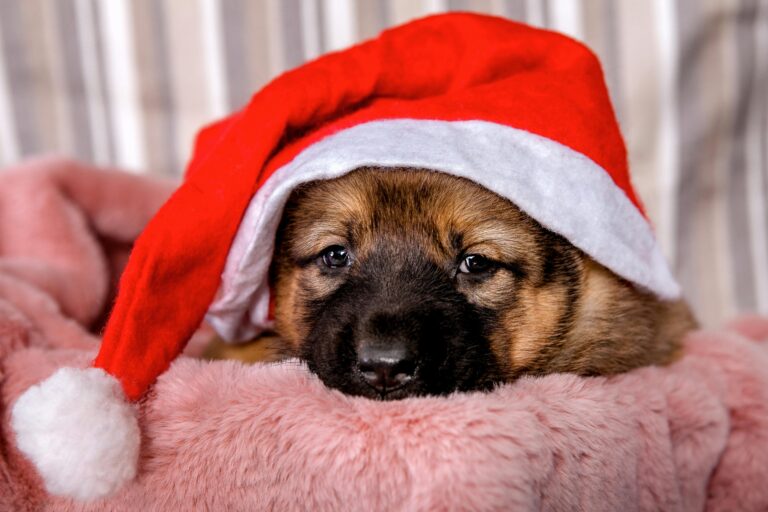

The holiday season in Springfield is filled with family, fun, and festive gatherings. While it is a joyful time for us, it can be risky for our dogs. Between tempting treats, shiny decorations, and constant activity, the holidays bring more hazards than most owners realize.
As a professional trainer, I always remind families that good training is not just about obedience, it is about safety. Knowing what to avoid and how to manage your environment will keep your dog safe and stress-free during the busiest time of year.
1. Dangerous Holiday Foods
The kitchen may smell amazing during the holidays, but some festive foods can seriously harm your dog.
Foods to Avoid
- Chocolate: Contains theobromine, which is toxic to dogs.
- Grapes and raisins: Can cause kidney failure even in small amounts.
- Onions and garlic: Found in stuffing and gravy, and toxic to red blood cells.
- Bones and fatty scraps: Can cause choking or pancreatitis.
- Xylitol: A sugar substitute found in baked goods and gum, deadly even in small doses.
- Alcohol: Can cause vomiting, tremors, or worse.
If your dog sneaks any of these foods, call your vet immediately.
To help your dog resist temptation, practice obedience cues like leave it and place before guests arrive. Our Basic Obedience Program teaches these essential safety commands so your dog can handle holiday temptations calmly.
The AKC provides a complete list of human foods dogs can and can’t eat, helping you identify what is safe and what should stay off your dog’s plate.
2. Decoration Dangers
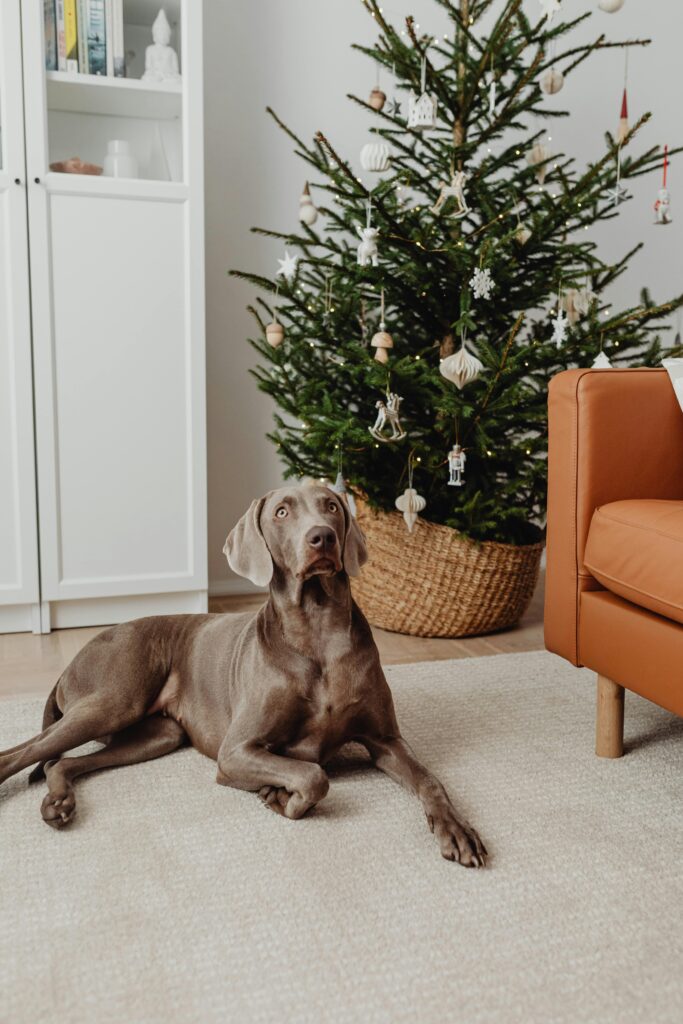
Holiday decorations can be irresistible to curious dogs, but many are hazardous.
Watch out for:
- Tinsel and ribbon: Can cause intestinal blockages if swallowed.
- Ornaments: Glass ones can shatter, and salt dough ornaments are toxic.
- Tree water: Stagnant tree water may contain fertilizers or bacteria.
- Candles: Dogs can knock them over, causing burns or fires.
- Electrical cords: Chewing can lead to shocks or burns.
Keep decorations and cords out of reach, and always supervise your dog around trees or displays.
3. Holiday Plants to Avoid
Many classic holiday plants are unsafe for pets:
- Poinsettias: Mildly toxic, causing drooling or stomach upset.
- Holly: Can cause vomiting or diarrhea.
- Mistletoe: Extremely toxic if ingested.
- Lilies: Dangerous even in tiny amounts.
Opt for artificial versions if you love the look, or keep live plants in high, unreachable spots.
4. Overstimulation and Holiday Stress
With guests, music, and excitement, it is easy for dogs to become overwhelmed. Recognize signs of stress early:
- Pacing or whining
- Hiding or avoiding eye contact
- Yawning or lip licking
- Barking excessively
Give your dog a calm retreat with their bed or crate, and use the place command to provide structure during gatherings.
For tips on reinforcing calm behavior, read our blog on how to stay consistent with dog training even when life gets busy.
5. Hosting Guests and Visitors
Before the doorbell rings, take steps to manage greetings and reduce excitement:
- Take your dog on a long walk before company arrives.
- Keep them leashed during introductions.
- Use obedience commands like “sit” or “place.”
- Reward calm behavior generously.
If your dog struggles with impulse control or excitement around guests, extra practice now will make the holidays more peaceful.
Checklist: Dog Safety for the Holidays
- Keep dangerous foods and alcohol out of reach.
- Supervise around trees, candles, and cords.
- Set up a calm “place” for your dog to rest.
- Remove toxic holiday plants or use artificial alternatives.
- Walk your dog before gatherings to burn off energy.
- Practice recall and “leave it” commands daily.
FAQ: Holiday Safety and Dogs
- Can my dog have a little turkey or ham?
Plain, cooked turkey in small amounts is safe, but avoid ham, bones, skin, and seasoning. - What should I do if my dog eats chocolate or grapes?
Contact your veterinarian immediately. Even small amounts can be dangerous. - How can I stop my dog from stealing food during dinner?
Use the “place” command to give your dog a specific job and reward calm behavior. - My dog gets anxious during parties. What can help?
Crate training and obedience practice teach self-control. A quiet retreat space also helps reduce stress. - Are Christmas tree lights safe for dogs?
Only if cords are secured and out of reach. Use protective covers if necessary.
Final Thoughts: A Safe and Joyful Season
The holidays should be fun for everyone, including your dog. With awareness, management, and training, you can prevent accidents while keeping your dog calm and included in the festivities.
At Off Leash K9 Training Springfield, we help families prepare their dogs for every season, from noisy celebrations to quiet nights by the fire. A well-trained dog is a safer, happier dog, especially during the holidays.
Want a calm and confident dog this holiday season? Contact us today to start training before the celebrations begin.