
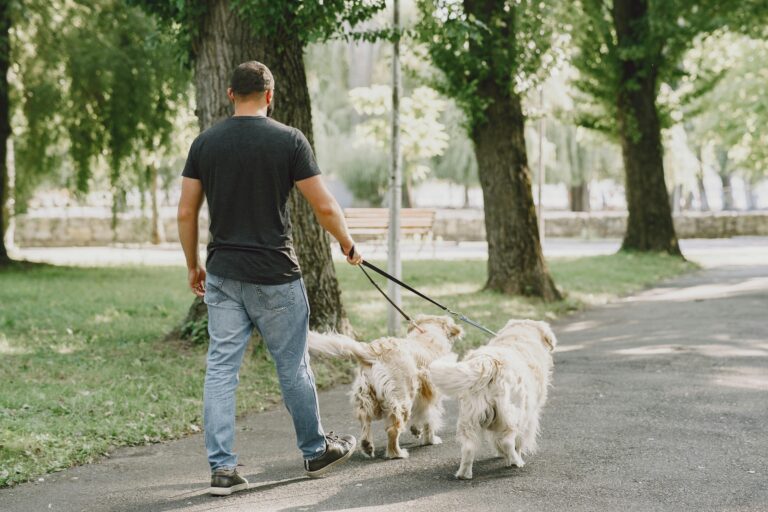

Every new year brings renewed motivation for dog owners. Schedules feel fresh, goals feel attainable, and there is a genuine desire to create better habits. As a professional dog trainer, I see this pattern every January. The difference between short term motivation and lasting success almost always comes down to how training routines are built and maintained.
Effective training routines are not about long sessions or perfect execution. They are about consistency, structure, and making training part of everyday life. When routines are realistic and repeatable, they continue long after the excitement of the new year fades.

Why Training Routines Often Break Down
Most training routines fail for predictable reasons. Owners start strong but expect too much too quickly.
Common breakdown points include:
-
Sessions that are too long or inconsistent
-
Training only when problems arise
-
Unclear expectations within the household
-
Skipping practice on busy days
Dogs rely on repetition to learn. When training routines are inconsistent or reactive, progress slows and frustration builds for both the dog and the owner.
What Makes Training Routines Successful
The most effective training routines are simple and predictable. They fit naturally into daily schedules instead of competing with them.
Successful routines usually include:
-
Short, focused sessions
-
Consistent timing each day
-
Clear communication and follow through
-
Gradual increases in difficulty
Training does not need to feel separate from normal life. Five minutes before meals or during walks can reinforce skills just as effectively when routines are consistent.
Setting Clear Goals for the New Year
Before building training routines, it is important to define clear goals. Vague goals like better behavior are difficult to measure.
Clear goals might include:
-
Loose leash walking without pulling
-
Reliable recall in familiar environments
-
Calm behavior when guests arrive
-
Improved impulse control around food
This same focus on clarity and consistency is explained in our internal guide on building training success in the new year, which outlines how structured habits lead to long term progress.
How Structure Creates Momentum
Structure is what allows training routines to work long term. Dogs feel more confident when expectations are predictable.
After the holidays, schedules are often disrupted. Reestablishing structure helps dogs settle back into consistency and reduces behavioral setbacks. Returning to the basics early in the year creates faster progress and fewer frustrations for owners.
When Professional Programs Support Training Routines
Many owners try to build training routines on their own, but structured programs often produce more reliable results.
Programs like a Basic & Advanced Obedience Program provide a clear framework that owners can maintain at home. These programs focus on repetition, accountability, and consistency, which are the exact elements that help training routines stick.
Professional guidance also helps prevent common mistakes that can slow progress or create confusion for dogs.
Reinforcing Training Throughout the Day
The strongest training routines extend beyond formal sessions. Daily interactions reinforce behavior faster than isolated practice.
Examples include:
-
Asking for a sit before opening doors
-
Practicing place during meals
-
Reinforcing calm behavior on walks
-
Using commands during playtime
According to guidance from the American Kennel Club, incorporating training into daily routines helps dogs retain skills longer and respond more reliably in real world environments.
Final Thoughts
Building training routines that last into the new year is not about doing more. It is about doing things consistently and intentionally. When routines are realistic, structured, and tied to everyday life, they become habits instead of resolutions.
If you want help creating training routines that truly fit your lifestyle and your dog’s needs, the next step is starting a conversation through our contact page to build a plan that lasts beyond January.