
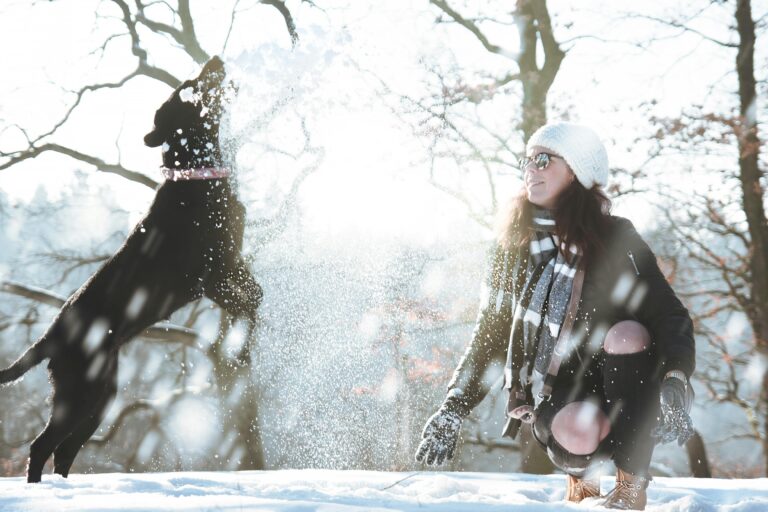

When winter rolls into Springfield, many owners assume it’s time to pause training. The cold weather, shorter days, and busy holiday schedules often lead people to wait until spring to restart lessons. But here’s the truth: winter is one of the best times to train your dog.
Fewer distractions, calmer environments, and consistent indoor practice make the colder months a hidden advantage for focused obedience. With the right structure and mindset, you can use this season to make real progress before spring adventures return.
1. Fewer Distractions, Better Focus
During warmer months, parks and neighborhoods are full of people, kids, and dogs. Winter naturally quiets everything down, giving your dog fewer distractions to compete with.
This is the ideal time to fine-tune commands like “heel,” “place,” and “stay.” Once those behaviors are consistent indoors and in mild outdoor settings, you’ll find your dog far more reliable when the world gets busier again.
If you need help addressing specific problem areas like pulling or inconsistency, our Basic Obedience Program is designed to build dependable behavior in any season.
2. Perfect Season for Indoor Structure
When it’s too cold or icy for long walks, your home becomes the training ground. Focus on indoor exercises that strengthen self-control and focus.
Try:
- Place training during household activities
- Impulse control before feeding or playtime
- Recall games in hallways or open living spaces
- Door manners for guests and deliveries
If you’re looking for creative winter enrichment, check out our guide on serious games for dogs. These structured games turn indoor play into mental and physical workouts.
3. Build Consistency Before Distractions Return
Training in calm environments allows you to strengthen commands before adding real-world challenges. Think of winter as your dog’s “off-season conditioning.”
By spring, when parks and patios get crowded again, your dog will already understand what’s expected. This preparation prevents regression when distractions increase.
4. Manage Energy Through Mental Exercise
Cold weather often limits outdoor activity, which can lead to restlessness. The solution is mental exercise. Ten minutes of obedience or problem-solving can tire your dog as much as a long walk.
Try:
- Hide-and-seek recall games
- Teaching new tricks for fun engagement
- Food puzzles or sniffing games
- Obedience drills in short, focused bursts
The AKC explains the health benefits of dog ownership and how mental stimulation can enhance both physical wellness and emotional stability during colder months.
5. Build Calm Behavior for the Holidays
Winter also brings visitors, decorations, and routine changes. Obedience training helps your dog handle the season calmly. Use your sessions to reinforce patience, impulse control, and confidence around guests and new sounds.
If you’re planning to travel or host family, early winter training ensures your dog behaves reliably throughout the holidays.
Checklist: Winter Training Success
- Reinforce core obedience commands indoors
- Schedule short, frequent sessions instead of long outings
- Use puzzle toys for mental enrichment
- Keep a consistent feeding and walking routine
- Add warm breaks for outdoor sessions
- Reward calm behavior during holiday activities
FAQ: Winter Dog Training
- Can I train my dog outside during winter?
Yes, but limit exposure during extreme cold. Use short sessions with warm-up breaks and positive reinforcement. - My dog seems less motivated in cold weather. What can I do?
Increase rewards with higher-value treats and keep sessions upbeat and short. Work indoors when possible. - Is winter training only for obedience?
No. It’s also ideal for desensitization, focus, and confidence-building games that prepare your dog for spring distractions. - Should I skip socialization until spring?
Not at all. Controlled indoor meetups or walks in mild conditions still help maintain social skills. - How can professional training help in winter?
Trainers can create custom routines suited to your home, schedule, and dog’s energy level, ensuring steady progress through the season.
Final Thoughts: Don’t Wait for Spring to Train
Winter is not a pause, it’s a preparation period. When you use the cold months to focus on obedience and consistency, your dog enters spring more disciplined, calmer, and ready for outdoor adventures.
At Off Leash K9 Training Springfield, we help families turn quiet months into powerful training opportunities. Structure, patience, and commitment now will pay off year-round.
Want to make this your dog’s most productive winter yet? Contact us today and start building obedience that lasts through every season.