

Rescue dog training starts with calm structure, not big expectations
Bringing home a new dog is exciting, especially when that dog is coming from a shelter or rescue situation. It’s also a big change for them. New smells, new rules, new people, and a new routine can all show up at once. That’s why I like to tell owners this right away: rescue dog training works best when you keep the first month simple, predictable, and focused on confidence.
In this post, I’ll walk you through the first-month priorities I use with new dogs, the obedience foundations that prevent common behavior issues, and how to avoid the “too much too soon” mistake that can overwhelm a dog. I’m writing this as part of the team at Off Leash K9 Training of SW Missouri, and these steps are the same building blocks we use in Private Lessons and Board and Train programs to support real behavior transformation.
What to expect in the first month of rescue dog training
A lot of dogs look “fine” at first, then struggle once they start to settle in. That’s normal. Many newly adopted dogs are still decompressing, learning what’s safe, and figuring out how to communicate.
The goal of rescue dog training in month one is not advanced skills. It’s stability. Here’s what I want most owners in the Springfield area to focus on:
- A consistent daily routine (meals, potty breaks, walks, quiet time)
- Clear boundaries (where the dog sleeps, how greetings work, what’s off-limits)
- Calm exposure to the world, not a packed social calendar
- Basic obedience training that builds communication and trust
- Confidence-building wins that keep the dog from feeling pressured
If you’d like a solid, high-authority guide on setting up a new adoption for success, the ASPCA has practical preparation tips here: ASPCA adoption tips.
The three priorities that make rescue dog training easier
When owners feel stuck, it’s usually because these priorities are missing. The good news is they’re simple and very teachable.
1) Routine that lowers stress
Routine creates predictability. Predictability builds calm. For rescue dog training, that means using the same order most days:
- potty break
- short walk
- meal
- quiet time
- training session (short)
Even 5 to 10 minutes of calm work each day helps your dog feel anchored.
2) A handful of obedience skills that matter at home
In month one, I focus on “life skills” more than tricks. The core of rescue dog training is:
- Place or settle (an off-switch)
- Down (calm stillness)
- Recall foundation (coming when called)
- Loose leash walking (reduces frustration and pulling)
- Leave it (helps with food, trash, and impulse control)
These skills directly support dog confidence because your dog learns how to succeed.
3) Neutral exposure instead of forced socialization
A common mistake is taking a new dog everywhere to “socialize them.” In reality, many dogs do better when they can observe the world calmly first. For rescue dog training, I prefer short exposures where the dog can stay under threshold.
Think: calm walks, quiet parks, and controlled introductions, not crowded patios on day three.
Regional Dog-Friendly Business Spotlight
Humane Society of Southwest Missouri (Springfield, MO)

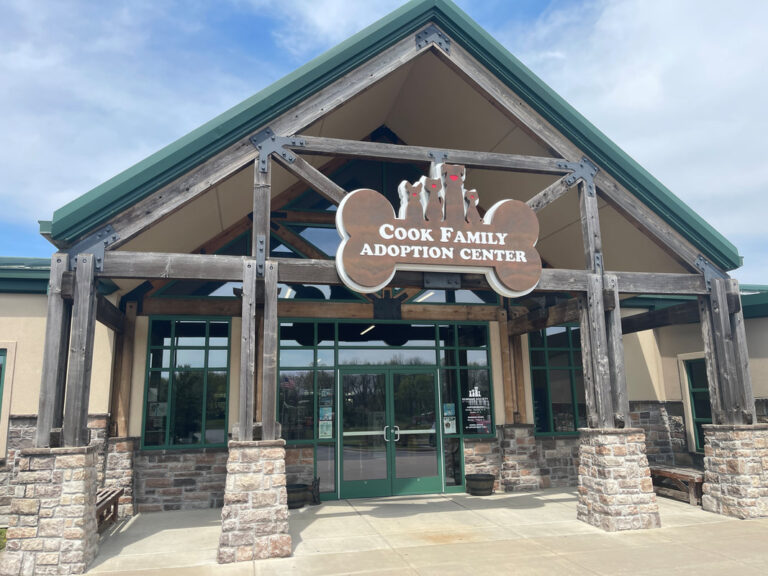
For local dog owners, the Humane Society of Southwest Missouri in Springfield is an important part of the community. They are a non-profit, no-kill shelter that rescues dogs and cats and helps match pets with adoptive homes.
I like highlighting the Humane Society in a rescue dog training post because adoption is where the journey begins. A thoughtful match and a steady transition plan can make a big difference in long-term behavior. If you’re considering adoption or want to learn more about their process, you can start here: Humane Society of Southwest Missouri.
A simple first-month rescue dog training plan
Here’s a realistic plan I recommend to many Springfield-area owners. It builds obedience without rushing the dog.
Week 1: Decompression and routine
- Keep the home calm and predictable
- Limit visitors and big outings
- Start a short daily rescue dog training session (5 minutes)
- Practice “place” and calm leash walking
Week 2: Add structure and communication
- Introduce “down” and “leave it”
- Begin short recall practice at home
- Use consistent boundaries around doors, furniture, and feeding
Week 3: Controlled exposure
- Visit new environments briefly (quiet parks, calmer neighborhoods)
- Practice obedience training with mild distractions
- Work on polite greetings without letting the dog rehearse jumping
Week 4: Proof the basics
- Extend duration on place and down
- Increase recall difficulty safely
- Continue leash skills to support future off-leash reliability
If your home has more than one dog, structure matters even more. This internal read is a helpful supplement: Multi-Dog Success: Expert Training Tips.
How Off Leash K9 Training of SW Missouri supports new adopted dogs
At Off Leash K9 Training of SW Missouri, we help owners turn that first-month uncertainty into steady progress. We focus on practical obedience training that strengthens communication, reduces stress behaviors, and supports real behavior transformation.
Depending on your dog’s history and your timeline, we may recommend:
- Private Lessons to coach you through the first month step-by-step
- Board and Train for a focused jump-start with daily structure
- Training aimed at long-term off-leash reliability, when appropriate
You can see the options here: Dog Training Programs.
Want a clear rescue dog training plan for your new dog?
If you’re in Springfield, MO or the surrounding SW Missouri area and you want help building a calm first month, I’d love to support you. Reach out to Off Leash K9 Training of SW Missouri through our contact page and tell me a little about your dog’s background and current behaviors. A simple, consistent rescue dog training plan can change everything.