

Spring shedding is normal, but your dog’s response is trainable
Spring in SW Missouri usually means heavier shedding, more brushing, and more hands-on coat care at home. It also means some dogs suddenly act squirmy, mouthy, or anxious when the brush comes out. If that sounds familiar, you’re not alone.
Here’s the value up front: a consistent grooming routine can reduce stress and improve behavior, but only if your dog has the skills to stay calm during handling. In this post, I’ll explain why spring coat care can trigger unwanted behavior, how to build better cooperation step by step, and when it helps to loop in your veterinarian for skin concerns. I’ll also share how we approach this at Off Leash K9 Training of SW Missouri through structured obedience training that supports real-life handling, not just commands in the living room.
Why spring coat care can trigger behavior problems
A lot of “bad behavior” during brushing or bathing is really discomfort, uncertainty, or lack of practice. During shedding season, the frequency of handling goes up, and that can expose gaps in your dog’s training foundation.
Common reasons dogs resist coat care include:
-
Sensitive skin or irritation that makes brushing feel unpleasant
-
Tangles or mats that pull on the coat
-
Noise and airflow from dryers that overwhelm some dogs
-
Poor handling tolerance, especially around paws, hips, belly, and tail
-
Low impulse control, meaning your dog struggles to stay still even briefly
If you want a straightforward, trustworthy overview of what healthy brushing habits look like, the AKC has a helpful guide on keeping coat care positive and consistent: AKC dog grooming tips.
When dogs learn what to expect, and when owners have a plan, you’ll often see a real shift in dog confidence and cooperation. That kind of calm response is part of what we mean by behavior transformation at Off Leash K9 Training of SW Missouri.
Build a grooming routine your dog can actually handle
The goal is not to “get through it.” The goal is a grooming routine that teaches calm behavior and builds trust over time. I like to keep it simple, predictable, and short at first.
Key principles that make this work
-
Short sessions beat long sessions. Start with 3 to 5 minutes.
-
Stop while your dog is still succeeding. Do not wait for frustration.
-
Reward calm stillness. Reinforce the behavior you want repeated.
-
Practice handling outside of brushing time. Touch should not always lead to tools.
A 5-minute plan you can use this week
-
Pick a consistent spot (bed, mat, or rug).
-
Ask for a down or settle.
-
Touch one area briefly (shoulder, chest, collar area).
-
Reward calm behavior.
-
Introduce the brush for a few strokes, then pause and reward again.
Over a few days, you can increase how long you brush and which areas you work on. You’re teaching your dog a pattern: calm body equals good things.
If you have more than one dog and their energy feeds off each other, you’ll get extra value from Multi-Dog Success: Expert Training Tips. Multi-dog homes often need more structure so coat care does not become a group chaos event.
How obedience training supports calm handling
Coat care goes smoother when your dog has a foundation of impulse control. That’s why I often tell owners that brushing problems are not just brushing problems. They’re training problems.
At Off Leash K9 Training of SW Missouri, we use clear structure to help dogs learn how to pause, follow direction, and stay emotionally steady. When we strengthen skills like:
-
place (settle on a bed or cot)
-
down (calm stillness)
-
recall (responsive attention)
-
loose leash walking (lower arousal in general)
…we also improve the dog’s ability to handle real-life situations, including grooming and routine handling. The end goal is a dog who is easier to live with, easier to take places, and safer around family members.
If you want to explore training options that build this kind of stability, you can review our Dog Training Programs. Depending on the dog, a Board and Train program can be a strong jump-start, while Private Lessons are a great fit for owners who want hands-on coaching as they build their home routine.
For seasonal consistency, I also recommend revisiting Winter Training for Perfect Progress because the same habit-building approach carries directly into spring.
When to involve your vet: local support from Healing Paws Vet Clinic
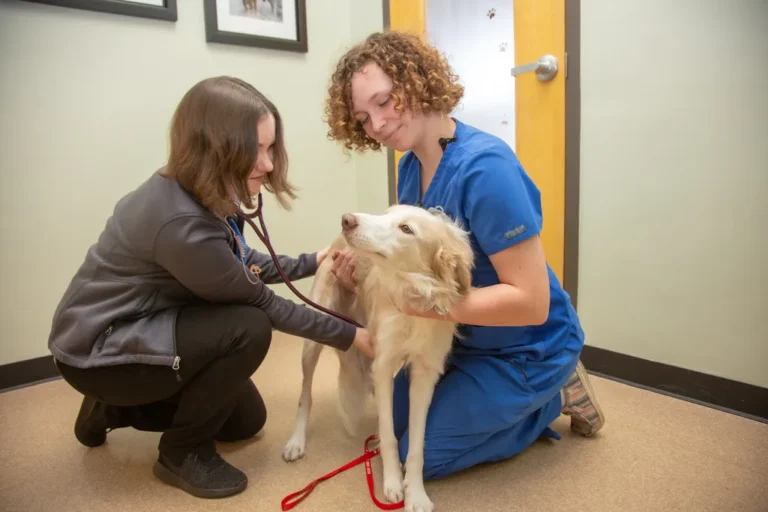
Sometimes a dog’s resistance is not just behavioral. If you’re seeing excessive scratching, redness, dandruff, hot spots, ear irritation, or a sudden change in tolerance, it’s worth checking in with your veterinarian. Spring can bring environmental allergies, skin flare-ups, and coat changes that make brushing feel uncomfortable.
For local Springfield owners, Healing Paws Vet Clinic is a helpful resource for addressing possible medical reasons behind skin sensitivity or discomfort. If you need to reach them, their phone number is (417) 886-7070 and their email is [email protected].
I like when training and veterinary care work together. When discomfort is addressed and the dog learns how to stay calm through handling, you get faster progress and better long-term results.
Let’s build a calmer routine this spring
If your dog struggles with brushing, bathing, nail trims, or general handling, you do not have to keep wrestling through it. A steady grooming routine paired with structured obedience can make a noticeable difference in your dog’s confidence and cooperation.
If you’re in SW Missouri and want help building calm manners and reliable skills that hold up at home and in public, reach out to Off Leash K9 Training of SW Missouri through our contact page.