


As a professional dog trainer, one thing I explain often is that behavior problems are rarely isolated issues. In most cases, behavior sits at the crossroads of health, environment, and structure. This is exactly why vets and trainers working together is so important. When dogs struggle with anxiety, aggression, or sudden behavior changes, collaboration between vets and trainers creates clarity instead of guesswork.
Over the years, I have seen how effective this partnership can be when veterinary professionals and trainers communicate clearly. Clinics like Animal Care Center in Springfield understand that lasting behavior change happens when vets and trainers approach concerns as a team.
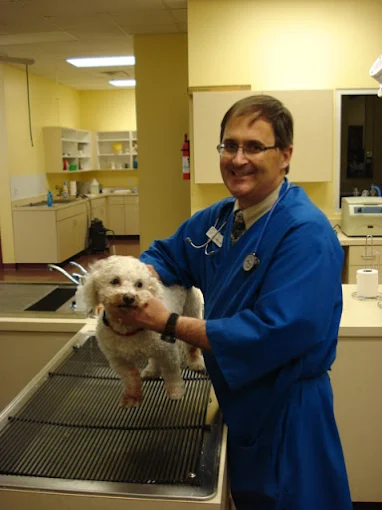
Why Behavioral Issues Require Both Vets and Trainers
Many owners assume training alone will fix unwanted behaviors. Others believe medication is the only answer. In reality, vets and trainers each address different pieces of the same puzzle.
Some common medical contributors to behavior include:
-
Chronic pain or joint discomfort
-
Hormonal imbalances affecting mood
-
Digestive discomfort that increases irritability
-
Neurological conditions impacting impulse control
When vets and trainers work together, medical causes are identified or ruled out early. This allows training plans to be customized instead of relying on trial and error. Without this collaboration, dogs are often mislabeled as stubborn or aggressive when the real issue is physical discomfort.
The Veterinary Perspective on Behavior
Veterinarians are often the first professionals owners speak to when behavior shifts occur. This is why vets and trainers rely on veterinary input before serious behavior modification begins.
At Animal Care Center, located at 2424 S Campbell Ave Suite 110 in Springfield, MO, the veterinary team recognizes that behavior and health are inseparable. Their role in the vets and trainers partnership includes:
-
Evaluating pain or illness that influences behavior
-
Recommending treatment or medication when appropriate
-
Monitoring behavioral changes alongside training
-
Referring owners to professional trainers for structure
Owners can contact Animal Care Center directly at 417-883-7600 or by email at [email protected] when behavior concerns overlap with health questions.
How Trainers Support Veterinary Care
While veterinarians focus on internal health factors, trainers handle daily behavior patterns. This is where vets and trainers truly complement one another.
As a trainer, my focus includes:
-
Teaching clear communication between dog and handler
-
Reducing stress through routine and consistency
-
Building impulse control through obedience
-
Helping owners understand how structure affects behavior
Programs like our Basic & Advanced Obedience Program are designed to support veterinary recommendations. When vets and trainers align, obedience training reinforces emotional stability and reduces stress that can worsen medical or behavioral issues.
Situations Where Vets and Trainers Collaboration Is Essential
Certain behavior concerns require immediate teamwork between vets and trainers. These situations often involve safety risks or sudden changes.
Examples include:
-
Aggression toward people or other dogs
-
Severe separation anxiety
-
Fear based reactivity
-
Sudden behavior changes in adult dogs
-
Conflict in multi-dog households
In these cases, training without veterinary insight or veterinary care without training usually falls short. Vets and trainers working together ensure behavior plans are realistic, humane, and effective. This approach aligns closely with the strategies outlined in our article on multi-dog household success through structured training.
Why Owners See Better Results When Vets and Trainers Work Together
From an owner’s perspective, collaboration between vets and trainers eliminates confusion. Instead of receiving conflicting advice, owners get a unified plan.
Benefits include:
-
Clear understanding of behavior causes
-
Reduced reliance on punishment based methods
-
Measurable progress over time
-
Confidence that decisions support the dog’s wellbeing
When vets and trainers communicate, dogs experience consistency instead of mixed signals, which speeds up behavior improvement and strengthens trust.
Training Programs That Complement Veterinary Guidance
For dogs with ongoing behavioral challenges, structured training supports veterinary care long term. Obedience training provides predictability, boundaries, and confidence, which is especially important when dogs are managing anxiety or medical conditions.
In more serious cases, Aggressive Dog Training may be recommended. These programs focus on safety, control, and accountability while supporting guidance provided by vets and trainers working together.
Final Thoughts
Behavioral concerns are rarely solved by one professional alone. The strongest results happen when vets and trainers collaborate, blending medical insight with structured training. This partnership creates calmer dogs, informed owners, and safer environments.
If your dog is struggling with behavior and you want a training plan that works alongside veterinary care, the best next step is to reach out through our contact page to start the conversation.