

Vet visits get easier when your dog has a plan
If you’ve ever walked into a clinic lobby with a dog who’s shaking, pulling, barking, or refusing treats, you already know the truth. Vet visits are not just medical. They’re emotional. The good news is that most dogs can learn to handle exams, handling, and waiting rooms with far less stress when owners practice vet visit training at home.
In this post, I’ll break down the specific skills that make appointments smoother, how to practice them in a way that feels fair to your dog, and what to do if your dog has a history of fear at the vet. I’m writing this as a trainer with Off Leash K9 Training of SW Missouri, and these are the same foundations we build through structured obedience training to support real-world behavior, not just “sit” in the kitchen.
Why dogs struggle at the vet and why training works
A lot of dogs don’t dislike the vet because of one single event. It’s usually the combination of:
- unfamiliar smells and sounds
- slippery floors
- other animals in close proximity
- restraint and handling around sensitive areas
- needles, temperature checks, and uncomfortable positioning
From your dog’s perspective, it can feel like loss of control. That’s exactly why vet visit training helps. It gives your dog predictable patterns and clear communication, which builds dog confidence and reduces the need for reactive behavior.
If you want an excellent overview of how to prepare dogs of any age for veterinary visits, VCA has a helpful guide that lines up well with what we recommend in training: Preparing for your dog’s first veterinary visit.
The core skills behind successful vet visit training
When owners ask me where to start, I keep it simple. Vet visit training is mostly about three things: calm body control, comfort with handling, and the ability to disengage from stress.
Skill 1: Calm leash manners and controlled movement
Your dog doesn’t need to love walking into the clinic, but they should be able to walk with you instead of dragging you.
Practice this in short sessions:
- walk 10 steps, stop, reward calm
- turn and change directions, reward your dog for following
- practice “sit” at doors and thresholds
Skill 2: A reliable down or settle
A dog who can settle can recover. This is a big part of behavior transformation because it teaches your dog to regulate rather than escalate.
At home, practice:
- ask for a down
- reward calm breathing and stillness
- slowly build duration
- add mild distractions, then reward again
Skill 3: Handling tolerance
This is where vet visit training becomes real. Touch should not always predict “something bad.” Start small and make it routine.
A simple weekly handling checklist:
- gently hold the collar
- touch paws for one second, reward
- lift an ear flap briefly, reward
- touch the tail area briefly, reward
- open the mouth for a second, reward
Skill 4: A functional “leave it” and disengagement
Dogs who can disengage from other animals, loud noises, or lobby movement do better at appointments. “Leave it” supports safer choices and calmer focus.
A simple 7-day vet visit training plan you can actually follow
Here’s a plan I give many owners in SW Missouri because it’s realistic. You do not need a perfect dog. You need consistency.
Day 1 to 2: Create a calm routine at home
- 3 minutes of down-stay practice
- 3 minutes of handling (paws, ears, collar)
- reward calm behavior generously
Day 3 to 4: Add movement and mild pressure
- short leash walk drills in your driveway
- practice brief collar holds and gentle “hug” pressure
- reward calm and release quickly
Day 5: Practice “pretend exam” positions
- stand still while you touch shoulders, chest, hips
- brief paw hold as if for nail trim
- reward after each successful rep
Day 6: Field trip without the appointment
- load into the car, go somewhere neutral, return home
- if your dog is comfortable, practice a calm sit outside a new building
Day 7: Combine skills
- run a short sequence: leash walk, sit, down, handling, release
- keep it easy and end on success
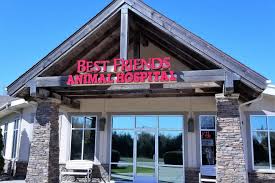
Best Friends Animal Hospital in Ozark
If you’re looking for a local veterinary team in the Ozark area, Best Friends Animal Hospital is a helpful resource. When training and vet care work together, dogs tend to make faster progress because we can address both comfort and behavior.
If you want to request an appointment, you can start here: make an appointment with Best Friends Animal Hospital. You can also reach them at (417) 581 3647 or [email protected]. They’re located at 903 W South St., Ozark, MO 65721.
A quick note I share with owners: if your dog shows sudden sensitivity during handling, discomfort may be part of the picture. In those cases, pairing veterinary insight with vet visit training is often the best route.
How Off Leash K9 Training of SW Missouri helps dogs become calmer patients
At Off Leash K9 Training of SW Missouri, we work with dogs who struggle in real-world situations, including vet visits. Our goal is to build obedience skills that stay reliable when distractions are high, and to support confidence through clear structure.
Depending on your dog, we may recommend Private Lessons for hands-on coaching, or a Board and Train program for a more intensive jump-start. Either way, the foundation is the same: better impulse control, stronger communication, and more stable behavior.
If you want to see the options, visit our Dog Training Programs page.
For owners managing multiple dogs, vet visits can become chaos fast. This is where home structure matters. Multi-Dog Success: Expert Training Tips includes practical ways to build calmer routines that transfer directly to car rides and appointments.
Want vet visits to feel calmer and more predictable?
If your dog struggles with handling, restraint, or anxiety during appointments, I can help you build a practical plan. Vet visit training is one of the most useful investments you can make in your dog’s long-term health and your own peace of mind.
Reach out to Off Leash K9 Training of SW Missouri through our contact page and tell me what your dog does at the vet, in the car, and in waiting rooms. We’ll map out the next steps together.