


Calm Mobile grooming is convenient, but your dog still needs a plan
One of the nicest upgrades for busy dog owners is mobile grooming. No car ride, no crowded lobby, and no juggling drop-off and pick-up times. But even with that convenience, plenty of dogs still struggle with the same things: handling, tools, noise, and being asked to stay still.
Here’s the good news right up front. Mobile grooming training can make a real difference in how your dog handles brushing, nail trims, dryers, and the general grooming routine. When a dog understands how to settle, tolerate handling, and follow simple cues under mild stress, the appointment becomes easier for everyone.
I’m writing this as part of Off Leash K9 Training of SW Missouri, and I’ll walk you through the core skills I recommend, how to practice them at home, and how to set your dog up for calmer appointments without turning your life into nonstop drills.
Why some dogs struggle with grooming, even at home
Mobile grooming reduces a few stress triggers, but it does not erase the main challenge: close handling and unfamiliar sensations. Many dogs react because they have not been taught how to cooperate.
Common sticking points I see (and what they usually mean):
- Pulling away from the brush = sensitivity, tangles, or lack of handling tolerance
- Pawing at tools = uncertainty and low impulse control
- Panting, pacing, vocalizing = stress and poor “off switch” skills
- Mouthy behavior = frustration and unclear boundaries
This is exactly where mobile grooming training fits. It gives your dog a predictable routine and builds dog confidence through repeated calm reps.
For a helpful, high-authority guide on keeping grooming experiences positive and consistent, the AKC’s grooming overview is a solid reference: AKC dog grooming tips.
The foundation skills that power mobile grooming training
When owners ask me how to prepare their dog, I focus on a short list of skills that carry into real life. These are the same building blocks we use in obedience training at Off Leash K9 Training of SW Missouri because they support true behavior transformation, not just obedience in quiet rooms.
1) Settle on cue
Your dog needs an off switch. A relaxed down or “place” behavior is the backbone of mobile grooming training.
How to start:
- Choose a mat or bed.
- Ask for a down.
- Reward calm breathing and stillness.
- End after 30 to 60 seconds at first.
2) Handling tolerance in tiny steps
You do not jump straight to clippers. You build comfort with touch.
Practice a 3-minute handling routine daily:
- brief collar hold
- touch shoulders and chest
- touch paws for one second, reward
- lift an ear flap briefly, reward
- light touch near tail area, reward
This is mobile grooming training in its simplest form. Your dog learns that calm cooperation ends the pressure and earns rewards.
3) Leave it and impulse control
“Leave it” keeps your dog from grabbing towels, tools, or hands when they get frustrated. It also supports safer behavior around grooming products.
If your dog struggles with impulse control around food or household routines, the structure from Thanksgiving Table Rules for Dogs transfers nicely to grooming because the concept is the same: calm behavior earns access.
Dog-Friendly Business Spotlight
Zoomin Groomin (Springfield, Missouri)
For Springfield-area owners who want the convenience of at-home appointments, Zoomin Groomin offers mobile pet grooming services in the Springfield region, bringing a professional grooming setup right to your home.
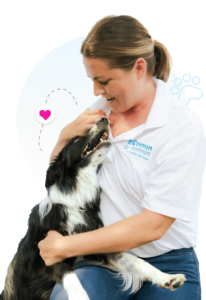
What I like about mobile services from a training perspective is that your dog can stay in a familiar environment. That can make mobile grooming training easier because you can practice the exact entry routine, handling steps, and calm settling behavior right where the appointment happens.
If you want to learn more or schedule, you can start here: Zoomin Groomin Springfield.
A simple 7-day mobile grooming training plan
If your dog is anxious or wiggly, a short plan is better than one long practice session.
Days 1–2: Build calm settling
- 3 minutes of down or place practice
- reward calm stillness
- end before your dog gets bored
Days 3–4: Add handling
- paws, ears, collar hold
- one to two seconds per touch, then reward
- keep it neutral and predictable
Day 5: Add the brush
- show brush, reward calm
- one stroke, reward
- pause often
Day 6: Add mild sound exposure
- let your dog hear a low-level dryer or clipper sound from a distance
- reward calm behavior
- stop before stress increases
Day 7: Combine the routine
- settle, handling, brush, settle again
- short and successful
This approach creates steady progress and better cooperation. It’s also a great example of how professional dog training builds real-world skills through repetition and structure.
How Off Leash K9 Training of SW Missouri supports calmer appointments
If grooming is turning into a struggle, it usually means the dog needs stronger foundational obedience and clearer follow-through. At Off Leash K9 Training of SW Missouri, we help owners build calm behavior that shows up in everyday routines: grooming, vet visits, guests at the door, and public outings.
Depending on your dog, we may recommend:
- Private Lessons for coaching and accountability
- Board and Train for a more intensive jump-start
- Programs that build obedience and stronger reliability over time
You can explore options here: Dog Training Programs.
If you have more than one dog at home and grooming becomes a group event, you’ll probably appreciate Multi-Dog Success: Expert Training Tips, especially for managing arousal and household routines.
Want mobile grooming training that actually sticks?
If your dog panics during brushing, fights nail trims, or can’t settle for handling, you don’t have to keep guessing. With a clear plan, mobile grooming training becomes a routine your dog understands.
If you’re in the Springfield area, reach out to Off Leash K9 Training of SW Missouri through our contact page and tell me what part of grooming is hardest right now. I’ll help you map out the next steps.