

Emergency vet visits are easier when your dog is prepared
Most people don’t plan for an emergency vet visit. It happens late at night, on a weekend, or right when your schedule is already full. In those moments, your dog’s behavior matters more than most owners realize. A dog who panics in the car, fights handling, or escalates around unfamiliar people can make a stressful situation even harder.
Here’s the helpful truth up front: emergency vet preparedness is not about teaching tricks. It’s about building calm, cooperative habits ahead of time so your dog can be safely handled and evaluated when it matters. In this post, I’ll share the practical training steps I recommend, what to practice at home, and a local emergency option for SW Missouri dog owners.
I’m writing this as part of Off Leash K9 Training of SW Missouri, and we build these skills every day through structured obedience training, confidence work, and real-world routines that lead to lasting behavior transformation.
What emergency vet preparedness really means
When people hear “preparedness,” they often think about supplies. A first-aid kit is great, but a cooperative dog is the bigger win. Emergency vet preparedness includes the ability to:
- Walk on a leash without dragging you through doors
- Settle in a new environment, even briefly
- Accept handling around paws, mouth, ears, and belly
- Ride in the car without escalating
- Respond to simple cues when stress is high
This is also closely tied to dog confidence. Confident dogs recover faster from surprises. They don’t have to love the situation, but they can tolerate it and stay connected to you.
For a solid, high-authority resource on what to do in emergencies and how to think about first aid, the AVMA has a clear guide here: First aid tips for pet owners.
Training foundations that support emergency vet preparedness
In my experience, the dogs who struggle most at emergency clinics are not “bad dogs.” They’re dogs without a calm default behavior and without enough handling practice. If you want true emergency vet preparedness, focus on these foundations.
1) Calm restraint and handling tolerance
This is the big one. Start with short, neutral handling sessions a few times per week:
- Gentle collar hold, then reward
- Touch paws for one second, reward
- Lift an ear flap briefly, reward
- Touch the tail area lightly, reward
- Brief mouth touch, reward
The goal is not to “flood” your dog. The goal is to normalize touch so an exam is not a shock.
2) Settle on cue
A dog who can settle can recover. That matters in waiting rooms and treatment areas.
Try this simple progression:
- Ask for a down on a mat.
- Reward calm breathing and stillness.
- Increase time slowly, 30 seconds to 2 minutes, then longer.
This supports emergency vet preparedness because your dog learns how to turn off even when they’re unsure.
3) Car routine skills
For many dogs, the car is where stress starts.
A few practical reps each week:
- Load up, sit for 10 seconds, unload
- Short drive around the block, reward calm
- Practice a calm exit instead of exploding out of the car
4) Leash manners under pressure
Loose leash walking is more than etiquette. It’s safety in parking lots and hallways. It also supports long-term goals like off-leash reliability because it builds responsiveness to the handler.
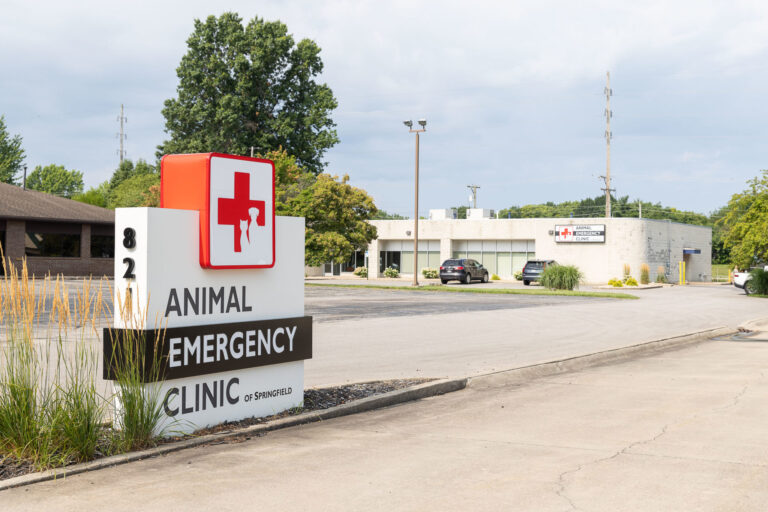
Animal Emergency Clinic of Springfield (Springfield, MO)
For SW Missouri pet owners, it helps to know where to go before you need it. Animal Emergency Clinic of Springfield is an after-hours emergency clinic located in Springfield, Missouri, focused on urgent and critical care when your regular vet is closed.
From a training perspective, having a plan reduces panic. When owners know the destination, they can focus on their dog’s behavior during transport and intake, which is a huge part of emergency vet preparedness.
You can learn more about their services and location here: Animal Emergency Clinic of Springfield.
A practical emergency vet preparedness checklist for owners
Here’s what I recommend keeping simple and consistent. This is realistic, and it works.
At home (weekly):
- 5 minutes of handling practice
- 5 minutes of settle work
- 1 short car routine rep
- 1 leash manners walk with deliberate stops and sits
Before you leave for an urgent visit:
- Clip a standard leash and secure your dog safely.
- Bring high-value treats if your dog will take them.
- Use a calm voice and minimal talking.
- Ask for one simple cue your dog knows, like sit. Reward if possible.
- Call ahead if you can, so staff can prepare. (If it’s safe to do so.)
If you’re managing multiple dogs, emergency situations get complicated fast. Multi-Dog Success: Expert Training Tips is a strong internal resource for building household structure that supports calmer exits, calmer car routines, and better control when things get hectic.
How Off Leash K9 Training of SW Missouri helps dogs stay calmer in tough moments
At Off Leash K9 Training of SW Missouri, we train for real life. Emergency situations are part of real life. That’s why our programs emphasize calm obedience, handling tolerance, and reliable responses under distraction.
Depending on your dog’s needs, we may recommend:
- Private Lessons to coach you through routines and handling work
- Board and Train for an intensive jump-start on obedience and impulse control
- Basic Obedience or Basic & Advanced Obedience to build reliable communication
If you want to compare options, you can start here: Dog Training Programs.
Building emergency vet preparedness also tends to improve everyday life. Dogs become easier to groom, easier to examine at home, and less reactive in unfamiliar environments. That’s the kind of confidence that pays off long after the training sessions end.
Want a calmer plan for emergency vet preparedness?
If your dog struggles with handling, car rides, or stress in new places, I can help you build a practical training plan that supports emergency vet preparedness without overwhelming you or your dog. Reach out to Off Leash K9 Training of SW Missouri through our contact page and tell me what your dog does during vet visits and car rides. We’ll map out next steps together.