

Dog training treat choices can influence how focused, motivated, and successful your dog is during a training session. While treats are not the only rewards we can use, food is convenient, easy to deliver, and highly motivating for many dogs.
At Off Leash K9 Training of SW Missouri, I often remind owners that the best reward is not necessarily the biggest, most expensive, or strongest-smelling treat. It is the reward that matters to the individual dog and fits the difficulty of the task.
A dog practicing “sit” in a quiet Springfield, MO living room may happily work for regular kibble. That same dog might ignore kibble during an outdoor lesson with people, traffic, smells, and other dogs nearby. Matching the reward to the environment helps you communicate more clearly and maintain your dog’s attention.
Thoughtful dog training treat choices can support obedience training, dog confidence, and reliable behavior without turning every session into a constant negotiation over food.
Match the Reward to the Training Challenge
Not every exercise requires the same type of reward. I like to think of treats as having different levels of value.
Low-value rewards may include:
- Regular kibble
- Small crunchy biscuits
- Pieces of dog-safe vegetables
- Familiar treats your dog receives often
Medium-value rewards may include:
- Commercial training treats
- Small pieces of cheese
- Soft dog treats
- A less familiar biscuit or flavor
High-value rewards may include:
- Tiny pieces of cooked chicken
- Small portions of another dog-safe meat
- Soft, aromatic treats
- A favorite reward reserved for difficult situations
The American Kennel Club recommends using more motivating food rewards as the training environment becomes more distracting. It also notes that different dogs value different rewards, so owners should build a reward hierarchy based on their own dog’s preferences. Read the AKC’s guidance on using food rewards.
Better dog training treat choices help ensure that the reward is valuable enough to compete with the environment. When a squirrel, another dog, or an interesting smell is more rewarding than the food in your hand, your dog may struggle to remain focused.
Keep Training Treats Small and Easy to Eat
A training reward does not need to be large to be effective. In fact, small treats are usually more useful because your dog can eat them quickly and return to the exercise.
If your dog spends a long time chewing each reward, the training session can lose momentum. Large portions can also fill your dog too quickly, especially when you are practicing a behavior repeatedly.
For most training sessions, consider rewards that are:
- Small enough to eat quickly
- Soft enough to divide into tiny pieces
- Easy to carry in a pouch
- Appropriate for your dog’s dietary needs
- Interesting enough to maintain motivation
The AKC recommends pea-sized or smaller rewards for training, including for large dogs. Small pieces allow owners to complete more repetitions while limiting unnecessary calories.
Remember to account for training treats as part of your dog’s daily food intake. Dogs with allergies, food sensitivities, medical conditions, or weight concerns may need recommendations from their veterinarian before trying new products.
You can also review our guide to simple calm treat manners for help teaching your dog to wait patiently and take rewards without jumping, grabbing, or crowding your hand.
Reward Behavior Instead of Bribing Your Dog
One common concern is that a dog will only listen when they see food. This usually happens when the treat remains visible as a lure for too long.
There is an important difference between luring and rewarding.
A lure guides your dog into a position. For example, you might move food above your dog’s nose to encourage a sit. A reward is delivered after your dog performs the requested behavior.
Once your dog understands the movement, begin using an empty hand signal. Keep the reward in your other hand or treat pouch and deliver it after the behavior is complete.
Good timing matters. Mark the correct behavior with a consistent word such as “yes,” then provide the reward promptly. This helps your dog understand which action earned the treat.
Your dog should gradually learn to respond to the command without needing to see food first. Rewards can still be used to reinforce strong performance, especially when practicing difficult behaviors or working around distractions.
Our Dog Training Programs can help owners develop clearer communication and more dependable responses through Puppy Training, Private Lessons, Board and Train, Basic Obedience, and Off-Leash Obedience options.
Use Different Rewards for Different Goals
Effective dog training treat choices also depend on what you are teaching.
Small, fast-eating treats work well when you need multiple repetitions of sit, down, heel, place, or recall. A longer-lasting chew may be more appropriate when encouraging your dog to relax quietly in a crate or on a designated bed.
Food is not the only possible reward. Depending on your dog, you might also use:
- Verbal praise
- A favorite toy
- A short game of tug
- Permission to sniff
- Access to the yard
- A chance to greet a familiar person
- Release to play
Using several types of rewards can make training more engaging and help prevent your dog from believing that obedience only matters when food is present.
Consistency is still essential. Our article about staying consistent with dog training explains how short training opportunities can fit into everyday routines, even when your schedule is busy.
Regional Dog-Friendly Business Spotlight
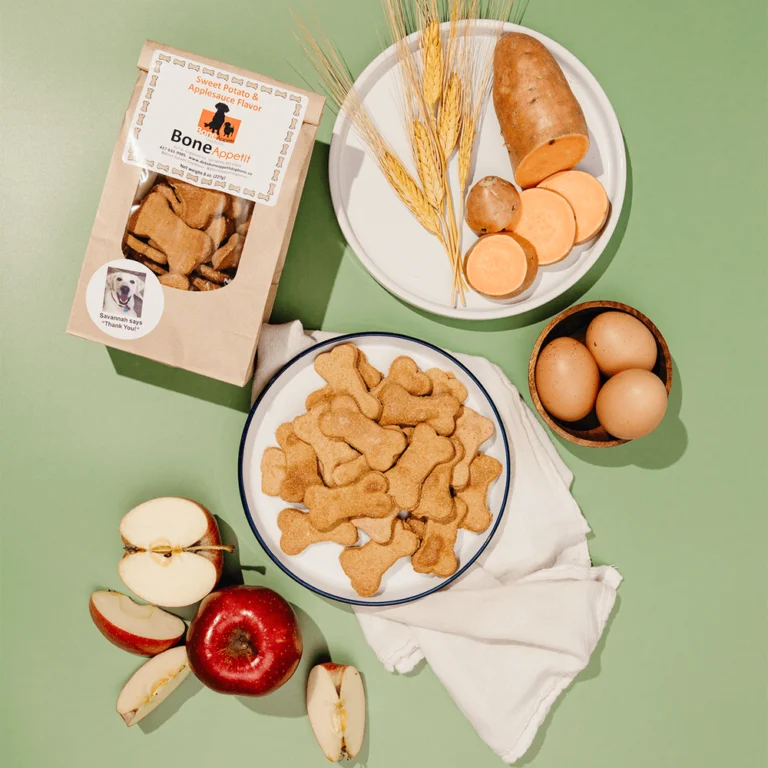
Bone Appetit Dog Treats is a family-owned dog treat business located in Springfield, Missouri.
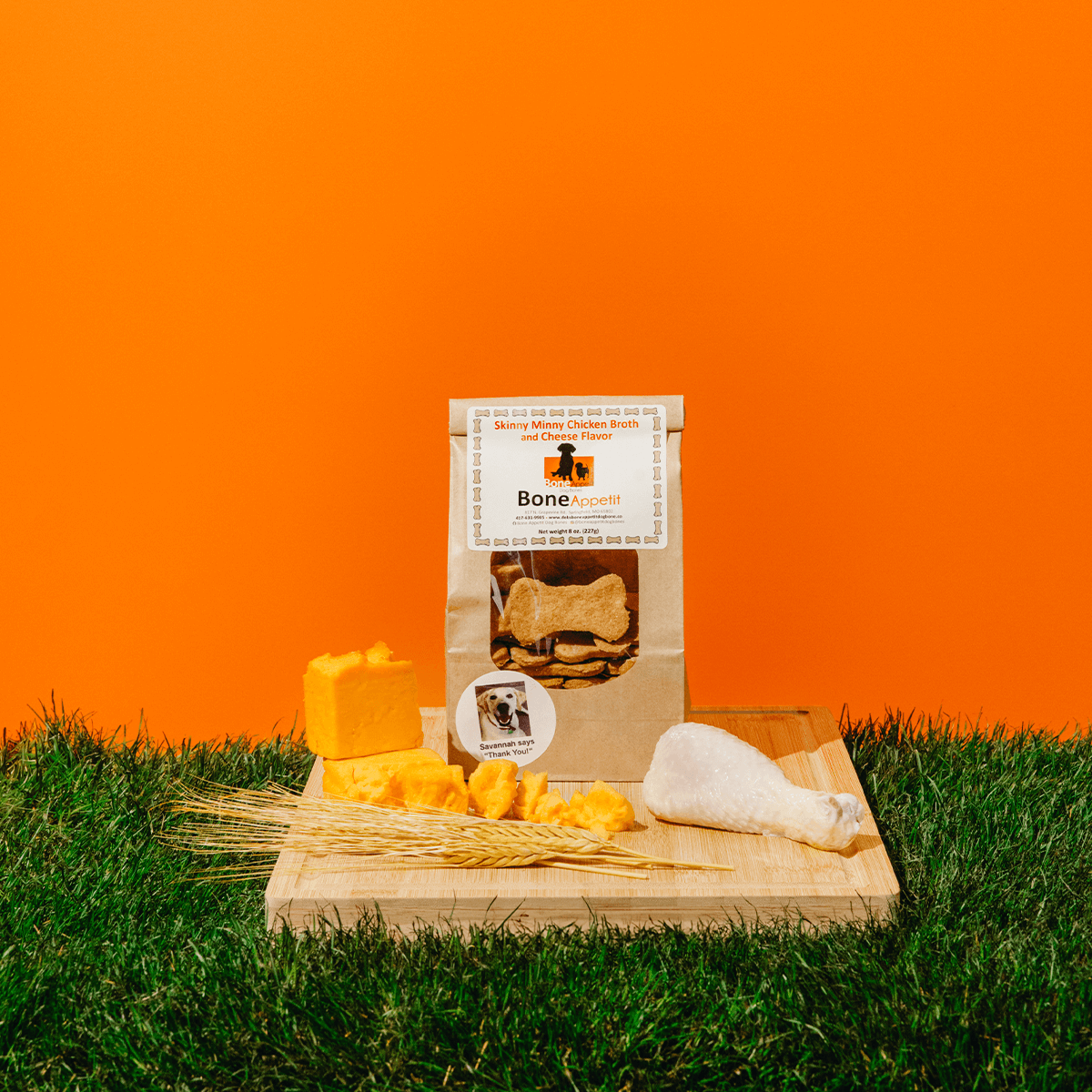
According to its official website, Bone Appetit produces handcrafted treats using human-grade ingredients purchased from grocery stores or sourced directly from Missouri farmers. The business states that its treats are made in a Missouri Department of Agriculture-inspected home kitchen and do not contain additives or preservatives.
A local treat maker can give Springfield dog owners additional options when looking for rewards their dogs enjoy. Before purchasing any new treat, review the ingredient list and consider your dog’s health, allergies, calorie needs, and veterinarian recommendations.
Bone Appetit Dog Treats does not replace professional dog training, but its products may serve as rewards within an owner’s established training plan. The most important factor is how the reward is used. Even a favorite treat will not create off-leash reliability without clear commands, consistent expectations, and regular practice.
At Off Leash K9 Training of SW Missouri, we help owners turn rewards into useful communication tools rather than allowing food to become a distraction.
Avoid Common Treat Training Mistakes
Even good dog training treat choices can create poor habits when rewards are delivered inconsistently.
Watch for these common mistakes:
- Showing the food before every command.
Your dog may learn to inspect your hand before deciding whether to listen. - Rewarding too late.
Delayed delivery may accidentally reinforce a different behavior. - Using pieces that are too large.
Large treats interrupt the session and add calories quickly. - Repeating commands while holding food.
This can teach your dog to wait for several requests before responding. - Allowing grabbing or jumping.
Ask for calm behavior before releasing the reward. - Using the same reward everywhere.
A treat that works at home may not compete with distractions outdoors.
Professional dog training helps owners improve timing, leash handling, command delivery, and reward placement. These details support lasting behavior transformation because they make expectations easier for the dog to understand.
Ready to Make Training More Effective?
The right dog training treat choices can improve focus and motivation, but rewards work best when they are part of a clear and consistent training system.
At Off Leash K9 Training of SW Missouri, we help Springfield and SW Missouri families develop dependable obedience, stronger dog confidence, and better communication in real-life environments.
Whether you are working with a young puppy, an easily distracted adolescent, or an adult dog who needs more structure, contact Off Leash K9 Training of SW Missouri to discuss the program that best fits your goals.