
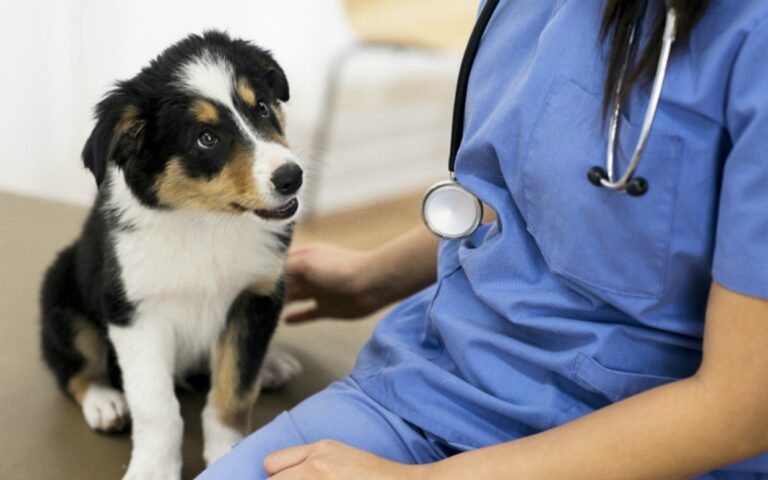

Routine veterinary visits should not feel like a wrestling match. With preparation, many dogs can enter the clinic calmly, accept basic handling, and stay connected to their owner. I’ll explain how vet visit training for dogs can improve appointments, which skills to practice, and when to ask for more support.
At Off Leash K9 Training of SW Missouri, I view vet preparation as practical obedience training. The goal is a dog who can follow direction, recover from stress, and cooperate safely while the veterinary team does its job.
Why Vet Visit Training for Dogs Matters
Veterinary clinics combine difficult triggers: a car ride, unfamiliar smells, slippery floors, close handling, other animals, and fast movement. Some dogs respond by pulling, panting, barking, hiding, freezing, growling, or trying to escape. Those behaviors are information, not stubbornness.
Good vet visit training for dogs gives your dog familiar tasks during an unfamiliar experience. A sit at the door, a calm lobby walk, a short place or down-stay, and comfort with gentle touch can reduce confusion. These skills also build dog confidence because your dog understands how to succeed.
The American Animal Hospital Association recommends calm handling, positive car experiences, basic cues, and rewards before appointments. Its guide to preparing your pet for a successful veterinary visit is helpful before your next checkup.
Emergencies rarely allow time to rehearse. Our guide to emergency vet preparedness for dogs can help you plan for higher-pressure situations.
Vet Visit Training for Dogs Starts at Home
You do not need medical equipment or long sessions. Five calm minutes a day can create meaningful behavior transformation when the work is clear and consistent.
- Practice the car routine. Ask for a sit before loading and take short drives that do not end at the vet.
- Build polite entrances. Practice waiting at doors, walking through on a loose leash, and sitting while you pause.
- Teach a settle. Use place or down for 30 to 60 seconds, reward calm breathing, then release.
- Condition gentle handling. Briefly touch the collar, ears, shoulders, paws, and tail area. Reward cooperation and stop before your dog feels overwhelmed.
Keep each repetition predictable: ask, reward, release. This is vet visit training for dogs in its simplest form. It teaches your dog that handling has a beginning and an end.
These skills transfer to grooming too. Our post on calm mobile grooming training explains how low-pressure practice can improve cooperation with paws, ears, brushing, and equipment.
If your dog has a history of panic, snapping, or biting, contact your veterinarian before the visit. Ask about arrival procedures, special scheduling, or other veterinarian-directed support. Training should support safe medical care, not replace it.
Regional Dog-Friendly Business Spotlight
Springfield Veterinary Center in Springfield, Missouri
This week I’m highlighting Springfield Veterinary Center in Springfield, Missouri. Its website describes a full-service small-animal hospital offering routine medical, surgical, dental, and wellness care. The site also says its staff has training in handling techniques designed to minimize pet stress and has earned Low Stress Handling Silver Certification.
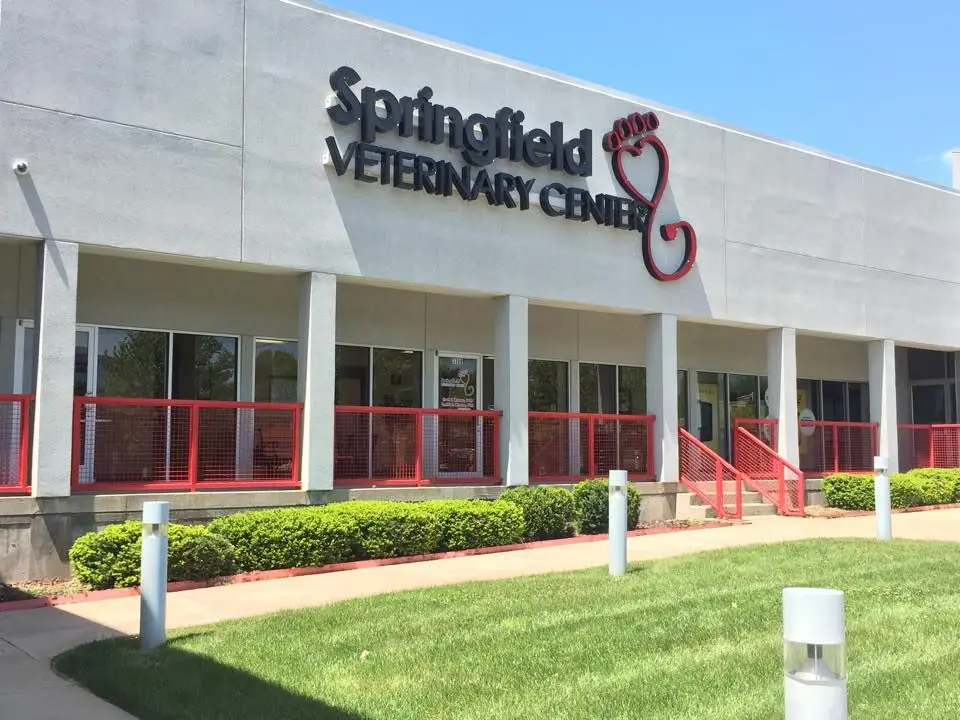
Regular veterinary visits help owners maintain preventive care and give dogs more opportunities to practice calm routines before illness or injury adds pressure.
Vet visit training for dogs means preparing your dog to walk in under control, respond to simple cues, and tolerate brief handling when possible. The clinic provides medical care. Your training foundation helps your dog participate more safely.
Call ahead if your dog is fearful or reactive. Explain what your dog does, which handling is difficult, and whether close contact with other animals is a problem. Clear information helps everyone prepare.
A One-Week Vet Visit Training for Dogs Plan
Use this short plan to organize the basics:
- Days 1 and 2: Practice calm car loading and a five-minute drive.
- Day 3: Work on brief collar, ear, shoulder, and paw touches.
- Day 4: Practice a sit at doors and a loose-leash entrance.
- Day 5: Build a 30-second place or down-stay.
- Day 6: Combine the car ride, leash walk, and calm handling.
- Day 7: Keep it easy and prepare records, questions, treats, and secure equipment.
The goal of vet visit training for dogs is steady improvement, not forcing your dog through fear. Short, successful sessions protect trust and make future practice easier.
How Off Leash K9 Training of SW Missouri Can Help
Some dogs need more than home practice. At Off Leash K9 Training of SW Missouri, our professional dog training programs build communication, impulse control, leash manners, and reliable responses around distractions.
Depending on your dog, that may include Private Lessons, Puppy Training, Basic Obedience, Basic & Advanced Obedience, Board and Train, or Off-Leash Obedience. Compare our Dog Training Programs to find the right support.
These foundations improve vet visits and daily life while supporting long-term off-leash reliability in unfamiliar or exciting environments.
Ready for Calmer Vet Appointments?
If your dog pulls into the lobby, panics during handling, or cannot settle around other animals, Off Leash K9 Training of SW Missouri can help. Springfield and SW Missouri dog owners can contact us here to start working toward calmer appointments and better behavior.